How New Technology Impact Human Computer Interactin in Today’s Digital World
how new technology impact human computer interactin has become one of the most discussed topics in the tech world as rapid digital evolution changes how people engage with devices. From AI-driven tools to immersive interfaces, the future of communication between humans and machines is shifting fast. This article explores how emerging innovations are reshaping modern interaction, improving accessibility, and building more intuitive digital experiences.
The Evolution of Human-Computer Interaction
Human-computer interaction (HCI) has come a long way—from keyboards and mouse controls to touchscreens, gestures, and voice commands. The introduction of advanced technologies is transforming this field, making digital communication more seamless.
Touch and Voice Transforming Interfaces
Touchscreens made digital navigation more natural, while AI-powered voice assistants have simplified daily tasks. These technologies show how new technology impact human computer interactin by reducing the gap between human intention and machine response.
Why Evolution Matters
As users expect faster and more intuitive experiences, businesses must adapt by integrating smarter systems that respond efficiently and accurately.
How AI Shapes Future Interaction
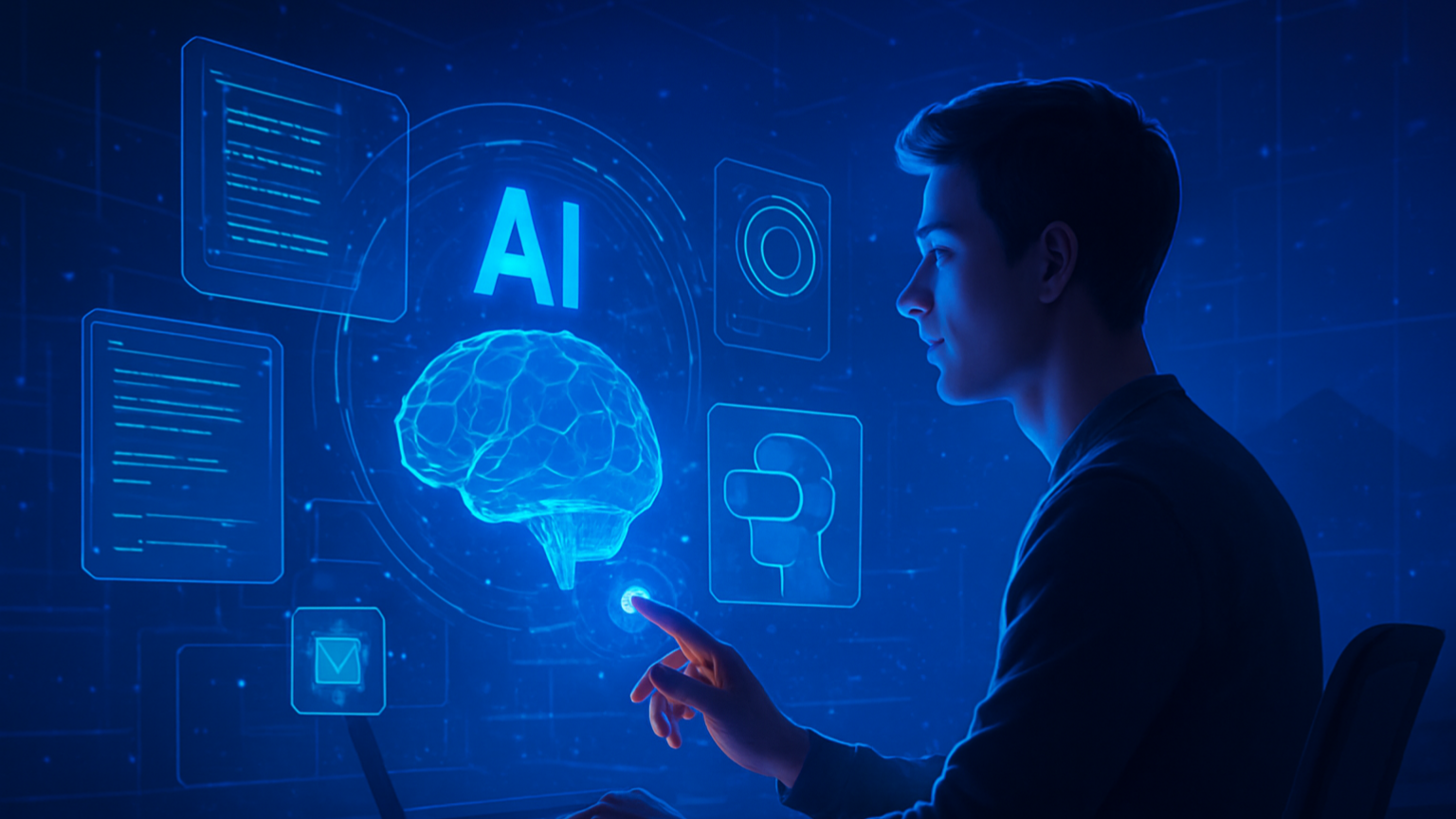
Artificial intelligence is at the center of modern innovation. Its influence on user behavior and system responsiveness has changed how people interact with technology.
Machine Learning Improving User Experience
AI learns from user patterns, offering personalized suggestions, faster decision-making, and smoother workflows. This is one of the clearest examples of how new technology impact human computer interactin by understanding human behavior better than before.
Natural Language Processing Enhancing Communication
NLP allows computers to interpret human language, making chatbots, virtual assistants, and automation tools more effective and conversational.
Immersive Technologies Redefining Engagement
Immersive systems like Virtual Reality (VR) and Augmented Reality (AR) have moved beyond gaming to influence education, healthcare, training, and marketing.
VR and AR Bridging Physical and Digital Worlds
VR places users in a fully digital environment, while AR overlays virtual elements in real-world settings. These immersive tools demonstrate how new technology impact human computer interactin by blending physical movements with digital responses.
Practical Uses of Immersive Tech
- VR classrooms enhancing learning
- AR in medical training
- Virtual product demos for customers
The Role of IoT in Modern Interaction
The Internet of Things (IoT) creates smart ecosystems where devices communicate seamlessly. Smart homes, wearables, and connected appliances make everyday activities easier and more automated.
Smart Devices Making Life Easier
IoT-enabled systems monitor user behavior and adjust settings automatically. This level of convenience highlights how new technology impact human computer interactin by creating real-time, adaptive environments.
User-Centered IoT Design
IoT solutions must prioritize privacy, usability, and efficiency to ensure smooth communication between devices and humans.
Future Trends That Will Transform HCI
The future of human-computer interaction is shaped by continuous innovation. Trends such as gesture-based controls, brain-computer interfaces, and predictive computing are pushing the boundaries.
Brain-Computer Interfaces (BCI)
BCI allows users to control devices using brain signals. Although still developing, it has the potential to revolutionize healthcare, accessibility, and communication.
Predictive Interaction Models
Predictive technology anticipates user needs, reducing the need for manual input and enhancing workflow efficiency.
FAQ’S
What is human-computer interaction?
Human-computer interaction is the study of how people interact with computers and digital systems to improve usability and user experience.
How does AI influence human-computer interaction?
AI enhances interaction by personalizing content, automating tasks, improving accuracy, and enabling natural communication through NLP.
Why is immersive technology important?
Immersive technology creates more engaging, realistic, and interactive digital experiences that improve learning and decision-making.
What role does IoT play in HCI?
IoT creates connected systems that automate tasks, monitor behavior, and improve convenience through smart devices.
Will new technologies replace traditional interfaces?
Not entirely. New tech will complement traditional tools by offering more flexible, intuitive, and natural ways to interact with digital systems.
Conclusion:
Understanding how new technology impact human computer interactin is essential as innovative systems continue reshaping digital communication. AI, IoT, immersive tools, and future-forward technologies make interactions more intuitive, personalized, and efficient. As the tech landscape evolves, users and businesses must stay informed to benefit from smarter, more human-centered digital experiences.